
Boost young readers’ literacy with Read-Along, now on every story
26 Oct 2026
At StoryBox Hub, we want kids to fall in love with stories and to feel the joy of being read to. Our stories are made to delight young viewers and keep them immersed from the first page to the last. We also know that caregivers and educators want screen time to be purposeful. That's why we follow best-practice guidelines for engaging children through a digital medium, and why we keep finding new ways to bring screen time, reading time and learning time together.
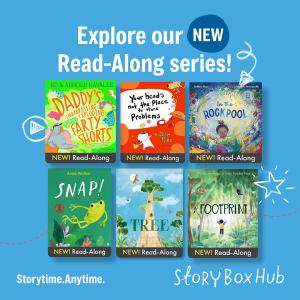
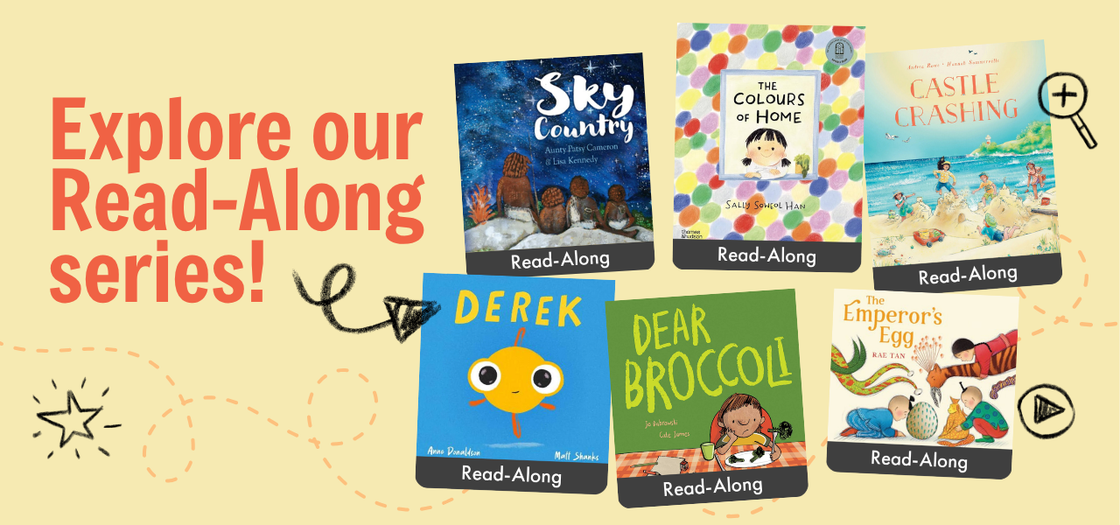
In early 2025, we launched our Read-Along series and the collection quickly grew to over 70 stories. Now, we are proud to announce that every story on the Hub comes with a Read-Along option.
Every story, one simple toggle
Read-Alongs now sit inside the video player as a simple toggle option. Switch it on, and the words appear on screen and highlight in time as the storyteller reads aloud.
You can choose from a range of text styles and customise how the words appear to suit each reader. There's also a dyslexic-friendly font option, so every child can follow along comfortably.
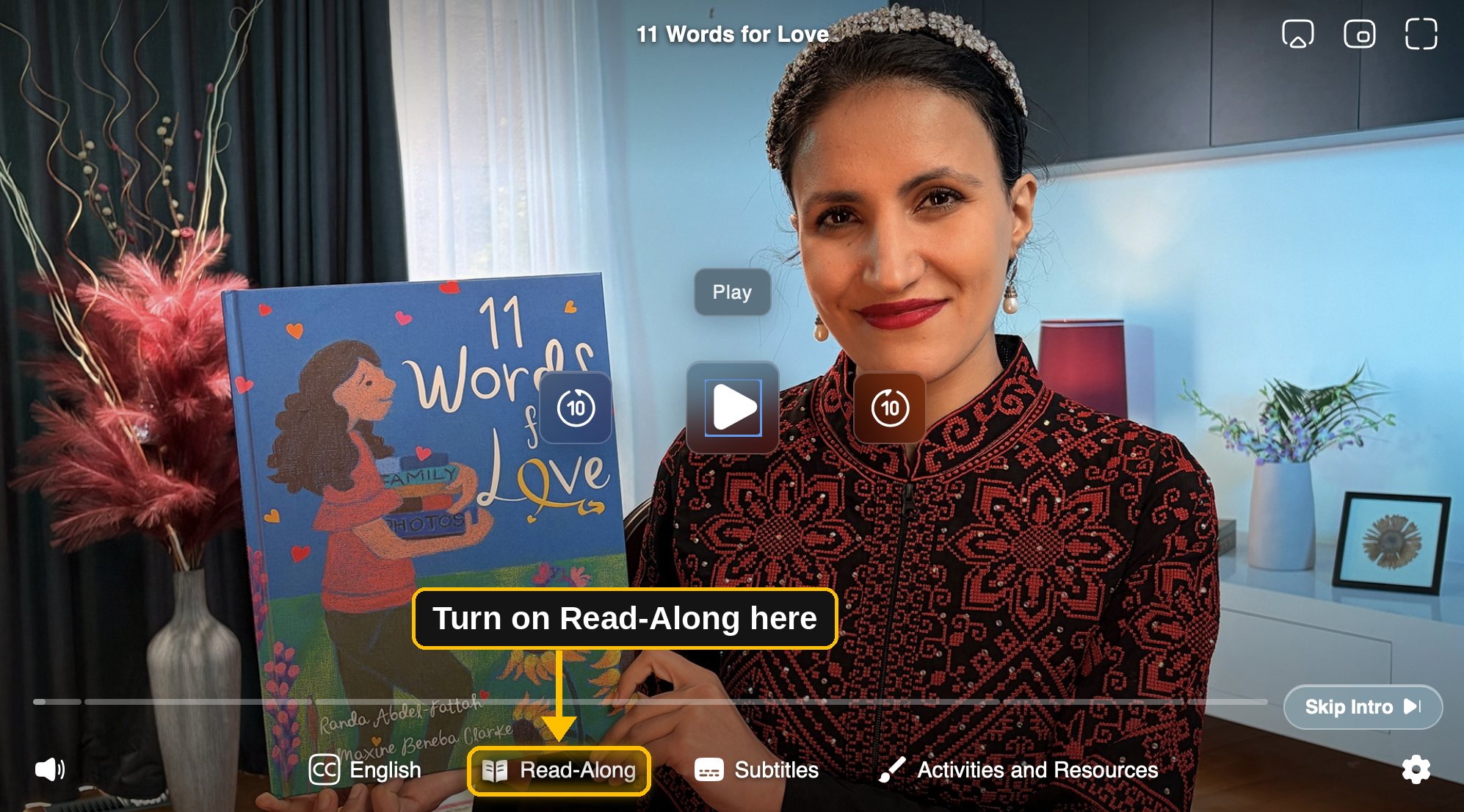
Why we take the words off the page
In a printed picture book, the words sit on the page alongside the illustrations. When we bring a book to the screen, we remove the printed text from the artwork so children can immerse themselves in the original illustrations. We keep the artwork true to the book and add gentle movement so the visuals and storytelling stay in focus.
Film works differently to a book. Instead of pausing to reflect, viewers follow a fixed sequence that builds emotion through visuals, sound and music. These elements capture attention and spark imagination, but too much at once can overwhelm young viewers. Keeping the illustrations clear of text helps kids stay engaged and follow the story more easily.
The words don’t disappear, though. We bring them back in ways that suit the screen and each reader’s needs, through Read-Along and caption options that can be switched on or off.
Why Read-Along matters
Reading is an essential skill, and text on screen is a powerful way to support it. Research shows that one of the main causes of reading difficulties in children is trouble decoding written text (Smythe, 2005). Learning to read draws on both ‘bottom-up’ and ‘top-down’ processes, as emerging readers identify and decode printed words while drawing meaning from context (Cutting et al., 2009; Hook & Crawford-Brooke, 2015).
When children hear a story and see the words at the same time, decoding becomes easier and comprehension improves. Research into captions in the classroom also shows that linking spoken and written words can build reading fluency, vocabulary and comprehension.
Read-Along also mirrors shared and modelled reading, both of which are crucial to developing reading skills. Highlighted text combined with audio narration gives visual support for word recognition and lets children learn at their own pace. Listening to a story becomes active participation.
Choose what suits your reader
There's no one-size-fits-all approach to reading, so each story now offers options in the one place:
Regular: pure oral and visual immersion, for teachers and kids who want to dive straight into the story
Read-Along: words highlight in time with the storyteller, supporting early literacy and word recognition
Captions on: a written transcription of the whole video, helping kids connect spoken words with text (available via the player controls)
Your way: text styles and a dyslexic-friendly font to suit each reader's needs
Whether a child is just starting to read, building confidence or facing reading challenges, they can enjoy the same story in the way that works best for them.
Try it today
If you're a StoryBox Hub subscriber or trialer, explore our stories and look for the Read-Along toggle in the player on any story.
We'd love to hear what you think. Get in touch and share your feedback.